
Explore the Mayan Ruins Sites in Playacar
Information, Photos, & Locations
About the Mayan Ruins of Playacar
The Xaman-Há ruins, nestled in Playacar’s residential zone, are remnants of a coastal Mayan settlement from the Postclassic period, roughly between the 10th and 16th centuries. Xaman-Há, translated to “waters of the north,” played a pivotal role in the maritime trade and religious pilgrimage routes that traversed the Yucatan Peninsula and beyond. Although small compared to other regional sites, Xaman-Há was a bustling hub for traders navigating the Caribbean Sea, connecting the mainland with the island of Cozumel, which was an important sanctuary for the goddess Ix Chel, the Mayan deity of fertility and medicine.
The structures found at Xaman-Há suggest it was primarily a settlement for maritime traders and pilgrims. Its location near the sea, within a lush tropical environment, was ideal for Mayan traders who relied on canoes to transport goods such as jade, obsidian, textiles, and even salt. The architectural remains, though weathered by time, reflect traditional Mayan construction, with small temples and residential buildings that would have served religious and practical purposes.
Xaman-Há’s proximity to Cozumel, which was home to the revered shrine of Ix Chel, placed it within a network of pilgrimage routes used by women seeking blessings for fertility. Many traders and travelers would have stopped at Xaman-Há before making their final journey across the water to Cozumel, emphasizing its strategic importance in both economic and religious contexts.
In relation to other Mayan ruins in the region, Xaman-Há is modest in scale but holds similar cultural and historical value. Its connection to the larger Mayan world can be seen in the way it supported the extensive network of trade that linked coastal cities like Tulum and Coba with inland power centers such as Chichen Itza. While Tulum, with its cliffside fortress, served as a fortified stronghold, Xaman-Há operated more as a logistical waypoint, ensuring the smooth flow of goods and people along the coast.
Unlike Chichen Itza, which was a monumental religious and political center, or Tulum, which functioned as both a ceremonial site and a coastal defense, Xaman-Há highlights the everyday life of Mayan traders and pilgrims. Together, these sites form a comprehensive picture of how the Maya utilized coastal settlements to bolster their economy and spiritual practices. The ruins of Xaman-Há, though smaller and often overlooked, provide valuable context to the rich tapestry of Mayan culture that once dominated the Yucatan Peninsula. Today, visitors can explore the site within the serene environment of Playacar, offering a peaceful reflection on the maritime culture that helped sustain one of the most advanced civilizations of the ancient world.
Our team combines local expertise with cutting-edge technology to maximize your rental’s potential. From professional marketing to impeccable guest services, we handle every detail so you can enjoy peace of mind. For our guests, we offer a handpicked selection of stylish, comfortable properties that capture the vibrant spirit of Playa del Carmen. Imagine waking up to the warmth of a Playa.Rentals—it’s more than just a moment; it’s a lifestyle.
Discover how Playa.Rentals can elevate your vacation experience or transform your property investment. Let’s create something extraordinary together. Your journey starts with us!
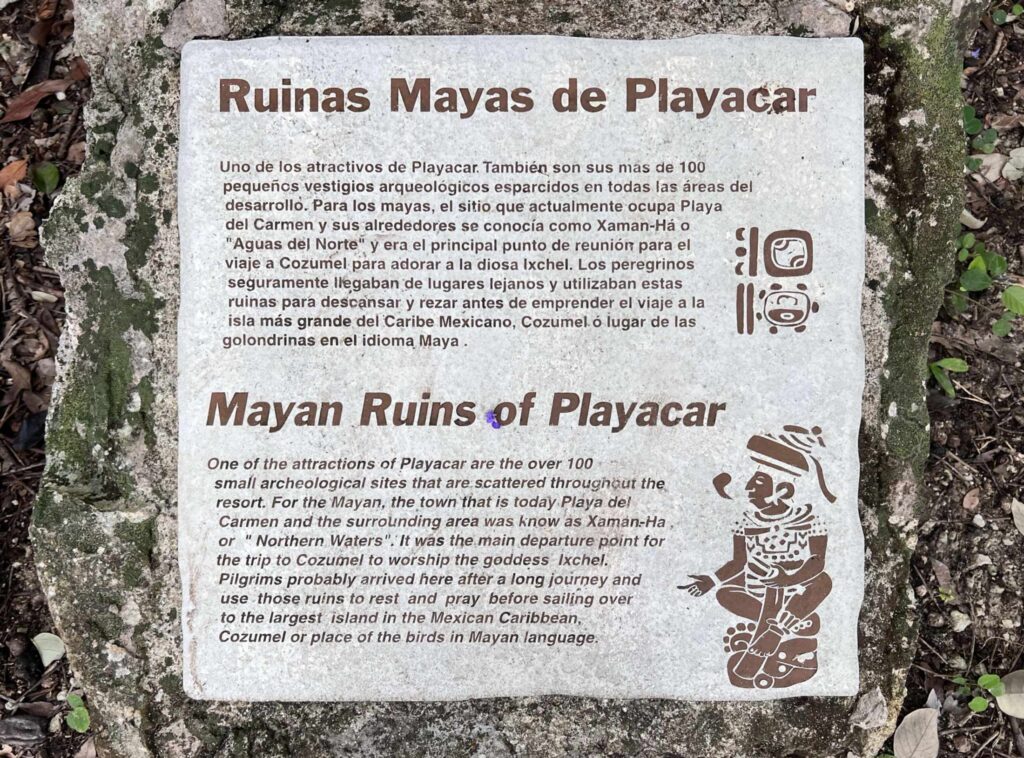
Mayan Ruins of Playacar
Playacar is home to over 100 small archaeological sites scattered throughout the resort, offering a glimpse into the region’s ancient history. In Mayan times, the area now known as Playa del Carmen and its surroundings was called Xaman-Ha, meaning “Northern Waters.” This location served as the main departure point for journeys to Cozumel, where pilgrims worshipped the goddess Ixchel. Travelers likely rested and prayed at these sites before sailing to Cozumel, the largest island in the Mexican Caribbean, known in Mayan as “the place of the birds.”
Our team combines local expertise with cutting-edge technology to maximize your rental’s potential. From professional marketing to impeccable guest services, we handle every detail so you can enjoy peace of mind. For our guests, we offer a handpicked selection of stylish, comfortable properties that capture the vibrant spirit of Playa del Carmen. Imagine waking up to the warmth of a Playa.Rentals—it’s more than just a moment; it’s a lifestyle.
Discover how Playa.Rentals can elevate your vacation experience or transform your property investment. Let’s create something extraordinary together. Your journey starts with us!
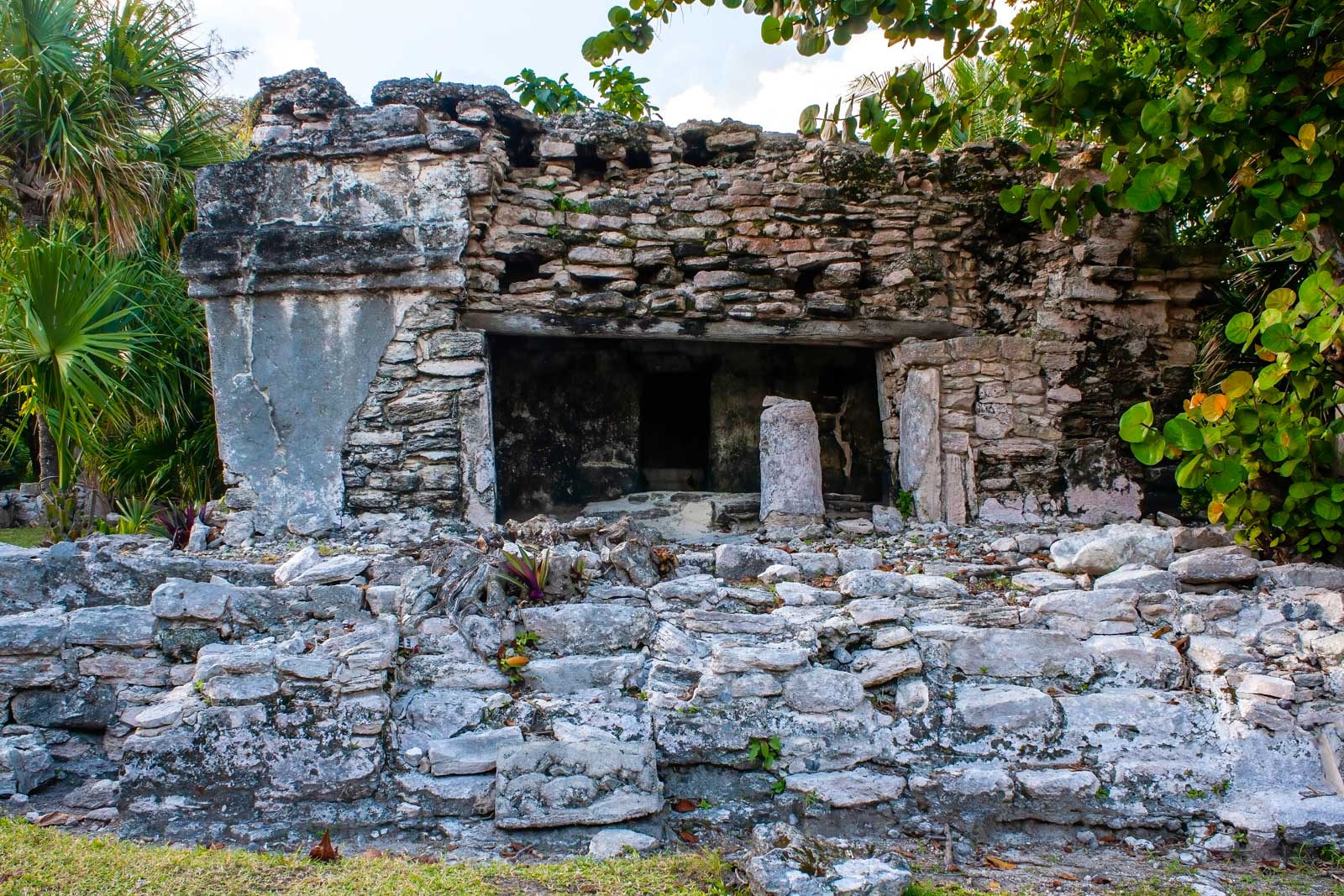
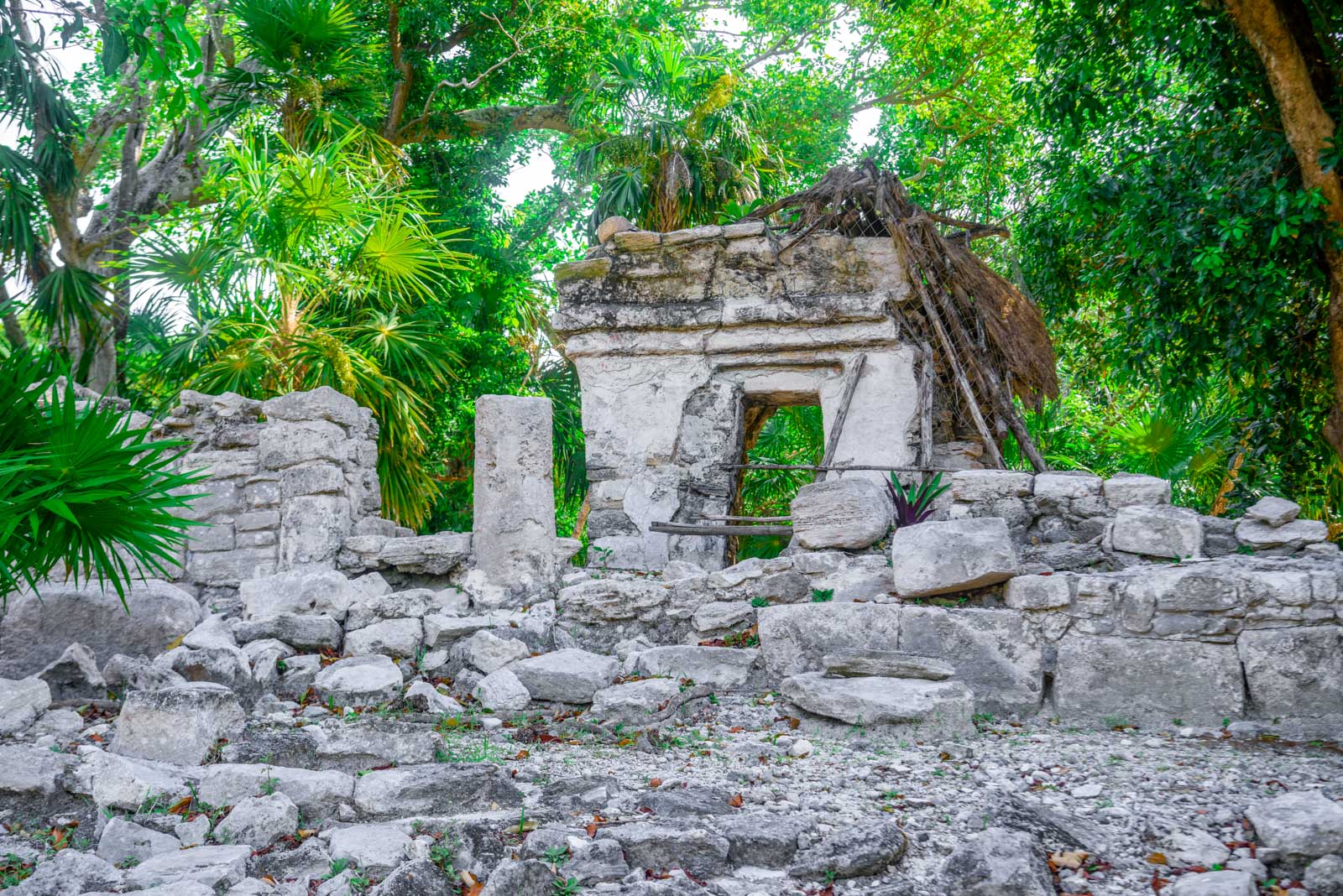
Buildings at Xaman-Há Ruins and Nearby Archaeological Sites
The Xaman-Há ruins consist of several structures that once played important roles in the daily and spiritual life of the ancient Mayan community. While the site is modest, the ruins reveal the multifaceted nature of a coastal settlement that served both practical and religious purposes.
One of the central buildings at Xaman-Há is believed to have been a small temple or shrine, used for religious ceremonies and offerings to the gods, especially given the site’s role as a stopover for pilgrims heading to Cozumel. The Maya were known for their reverence of deities tied to natural elements, and this temple would have been a place for rituals related to the sea and fertility, in line with the goddess Ix Chel’s prominence in the region. This shrine, although eroded, still showcases the traditional Mayan architectural style, including stone platforms and remnants of stucco that would have once adorned the walls.
Another structure likely served as a residential or communal building, where traders and pilgrims could rest or prepare for their journeys. Given the constant flow of visitors, this area might have included storage spaces for goods such as food, water, and trade items. These more utilitarian buildings reflect the settlement’s role in facilitating both short-term stays and long-term trade activity, connecting the mainland with maritime routes.
Although the ruins do not compare in grandeur to nearby Mayan cities, their proximity to the sea emphasizes their logistical importance. The coastal location would have required structures designed for quick assembly of canoes and storage of trade materials, likely housed in nearby open areas or shelters, the remains of which are difficult to detect but inferred from the settlement’s purpose.
Nearby Archaeological Sites
- Tulum (approx. 40 miles south) One of the most famous Mayan ruins in the Yucatan, Tulum is a walled city perched on a cliff overlooking the Caribbean Sea. Tulum was a major port city, heavily fortified, and connected to both inland and coastal trade routes. Its well-preserved structures include the Temple of the Frescoes, dedicated to the Mayan diving god, and El Castillo, the city’s main temple, which likely functioned as a lighthouse for maritime travelers. Tulum is unique due to its defensive walls, indicating its strategic importance in controlling coastal trade and protecting the population.
- Coba (approx. 30 miles west) Inland from Xaman-Há, Coba was a large and sprawling Mayan city that peaked during the Classic period (600-900 AD). Coba is best known for its extensive network of sacbeob (white roads) that connected it to other Mayan cities. The site contains several impressive pyramids, the largest being Nohoch Mul, which stands at over 130 feet tall. Coba was also a center for trade and pilgrimage, with connections to the coastal cities like Xaman-Há. The relationship between Coba and Xaman-Há highlights how inland power centers relied on coastal settlements to maintain economic and cultural ties.
- Muyil (approx. 50 miles southwest) Located near the Sian Ka’an Biosphere Reserve, Muyil is another coastal Mayan site that played a key role in maritime trade. Unlike Tulum’s fortified city, Muyil was more open and focused on its role as a trading hub. The site includes pyramids, plazas, and temples surrounded by dense jungle. Muyil’s position on a lagoon allowed for easy access to both land and sea routes, much like Xaman-Há, underscoring the importance of coastal settlements in Mayan civilization.
- Xcaret (approx. 7 miles south) Xcaret was an important port and ceremonial center during the Postclassic period. The site contains remnants of pyramids, temples, and altars, as well as evidence of complex water systems and docks, highlighting its role as a trading hub. Xcaret also held religious significance, with ceremonies dedicated to the gods of the sea and trade. Today, Xcaret is part of a larger eco-park, but the ancient ruins remain a testament to its importance in Mayan maritime culture. Its proximity to Xaman-Há suggests that the two sites may have been closely linked through shared religious and economic activities.
Summary of the Region's Network
Xaman-Há and its surrounding ruins are part of a larger network of coastal and inland Mayan cities that facilitated trade, religious pilgrimage, and cultural exchange throughout the Yucatan Peninsula. While Xaman-Há is smaller compared to its neighbors, its role as a stopover for traders and pilgrims reveals the interconnectedness of the Mayan civilization. Tulum, Coba, Muyil, and Xcaret all played distinct but related roles in supporting the economic and spiritual life of the Maya, with each site contributing to a complex web of trade routes that linked the peninsula’s coastal settlements with inland cities.
These sites collectively illustrate how the Maya utilized both coastal and inland resources to build a thriving civilization, with each settlement, regardless of size, playing a crucial role in sustaining the broader network. Xaman-Há, though smaller in scale, is an essential piece in this puzzle, serving as a quiet but significant waypoint for those navigating the Caribbean shores.
The structures found at Xaman-Há suggest it was primarily a settlement for maritime traders and pilgrims. Its location near the sea, within a lush tropical environment, was ideal for Mayan traders who relied on canoes to transport goods such as jade, obsidian, textiles, and even salt. The architectural remains, though weathered by time, reflect traditional Mayan construction, with small temples and residential buildings that would have served religious and practical purposes.
Xaman-Há’s proximity to Cozumel, which was home to the revered shrine of Ix Chel, placed it within a network of pilgrimage routes used by women seeking blessings for fertility. Many traders and travelers would have stopped at Xaman-Há before making their final journey across the water to Cozumel, emphasizing its strategic importance in both economic and religious contexts.
In relation to other Mayan ruins in the region, Xaman-Há is modest in scale but holds similar cultural and historical value. Its connection to the larger Mayan world can be seen in the way it supported the extensive network of trade that linked coastal cities like Tulum and Coba with inland power centers such as Chichen Itza. While Tulum, with its cliffside fortress, served as a fortified stronghold, Xaman-Há operated more as a logistical waypoint, ensuring the smooth flow of goods and people along the coast.
Unlike Chichen Itza, which was a monumental religious and political center, or Tulum, which functioned as both a ceremonial site and a coastal defense, Xaman-Há highlights the everyday life of Mayan traders and pilgrims. Together, these sites form a comprehensive picture of how the Maya utilized coastal settlements to bolster their economy and spiritual practices. The ruins of Xaman-Há, though smaller and often overlooked, provide valuable context to the rich tapestry of Mayan culture that once dominated the Yucatan Peninsula. Today, visitors can explore the site within the serene environment of Playacar, offering a peaceful reflection on the maritime culture that helped sustain one of the most advanced civilizations of the ancient world.
Our team combines local expertise with cutting-edge technology to maximize your rental’s potential. From professional marketing to impeccable guest services, we handle every detail so you can enjoy peace of mind. For our guests, we offer a handpicked selection of stylish, comfortable properties that capture the vibrant spirit of Playa del Carmen. Imagine waking up to the warmth of a Playa.Rentals—it’s more than just a moment; it’s a lifestyle.
Discover how Playa.Rentals can elevate your vacation experience or transform your property investment. Let’s create something extraordinary together. Your journey starts with us!